Understanding Water Damage in Fort Myers and Lee County
In Fort Myers, FL, water damage is part of living near the coast. One day it’s a calm, sunny afternoon, and the next, a heavy storm pushes water into homes across Lee County. In areas like Cape Coral or Bonita Springs, even a short burst of rain can overwhelm drainage systems. Add in the risk of hurricanes and storm surge, and water becomes a constant factor property owners must be ready for.
This guide walks through how water damage happens in Fort Myers properties, what to look for, and how restoration works from start to finish. Whether you own a home in Lehigh Acres or manage a commercial property in Naples or Estero, understanding the process gives you clarity when things feel uncertain.
Common Causes of Water Damage in Fort Myers Properties
In Southwest Florida, water damage often comes from both inside and outside the property. Storms are a major factor. Heavy rains, tropical systems, and hurricanes can bring large volumes of water quickly, especially in low-lying areas like North Fort Myers or near the Caloosahatchee River.
Inside the property, plumbing failures are just as common. Burst pipes, slab leaks, and failing water heaters can release water into walls and flooring without warning. Appliances like washing machines and dishwashers also contribute to sudden water events.
Roof leaks show up frequently after storms, especially when shingles or flashing weaken under high winds. Each of these causes behaves differently, and that difference shapes how restoration is approached from the beginning.
Water Damage Categories and What They Mean
Water damage is classified into three categories based on contamination levels, following the ANSI/IICRC S500 standard.
Category 1 water starts clean, often from a broken supply line. If addressed quickly, materials can often be restored. Category 2 water carries contaminants from sources like appliance discharge. Category 3 water includes floodwater or sewage, introducing harmful contaminants and requiring strict handling procedures.
Water doesn’t stay in one category. Over time, it degrades and becomes more contaminated, which increases both the risk and the complexity of the restoration process.
Signs of Water Damage in Fort Myers Homes and Businesses
Water damage in Fort Myers often begins quietly. You might notice a faint stain on a ceiling after a storm or feel soft spots in flooring near a kitchen or laundry area.
As moisture spreads, materials begin to react. Drywall can bubble or sag. Flooring may warp, especially in homes with laminate or engineered wood. A musty odor often develops in enclosed spaces, signaling moisture trapped behind surfaces.
In more advanced situations, visible spotting may appear, pointing to microbial growth in damp materials. These signs indicate moisture has already moved deeper into the structure.
What to Do Immediately After Water Damage Occurs
The first steps you take shape the outcome. Start by stopping the source of water if possible. Shut off the main supply or isolate the affected area.
If it’s safe, disconnect power in affected spaces. Then move valuables and furniture to a dry area. Document the damage with photos and notes to support the insurance process.
From there, contacting a team experienced in professional water damage restoration in Fort Myers ensures the property is assessed properly and handled using industry-aligned methods.
Why Quick Action Changes the Outcome
Water spreads quickly through building materials. Within hours, it moves into drywall, insulation, and subflooring. Within 24 to 48 hours, moisture conditions can support microbial growth.
The ANSI/IICRC S500 standard emphasizes rapid response because delays increase structural impact and extend drying time.
In Fort Myers, where humidity levels remain high, acting quickly reduces the chance of moisture lingering in hidden areas.
How Water Extraction and Drying Work
Once standing water is removed, drying becomes the focus. This process uses controlled airflow and humidity management.
Air movers push moisture off surfaces, while dehumidifiers capture that moisture from the air. Technicians monitor conditions using moisture meters and thermal imaging tools, identifying hidden moisture pockets inside walls and flooring.
This approach follows drying science principles outlined in the S500 standard, where consistent monitoring leads to effective results.
Mold Prevention in a Humid Climate
Fort Myers’ warm, humid environment creates ideal conditions for microbial growth when moisture is present. That’s why moisture control becomes the central focus after water damage.
The ANSI/IICRC S520 standard outlines that proper mold remediation involves containment, removal of affected materials when necessary, and controlling moisture to prevent recurrence.
Remove the moisture, and you remove the conditions that allow growth to continue.
Equipment Used in Professional Restoration

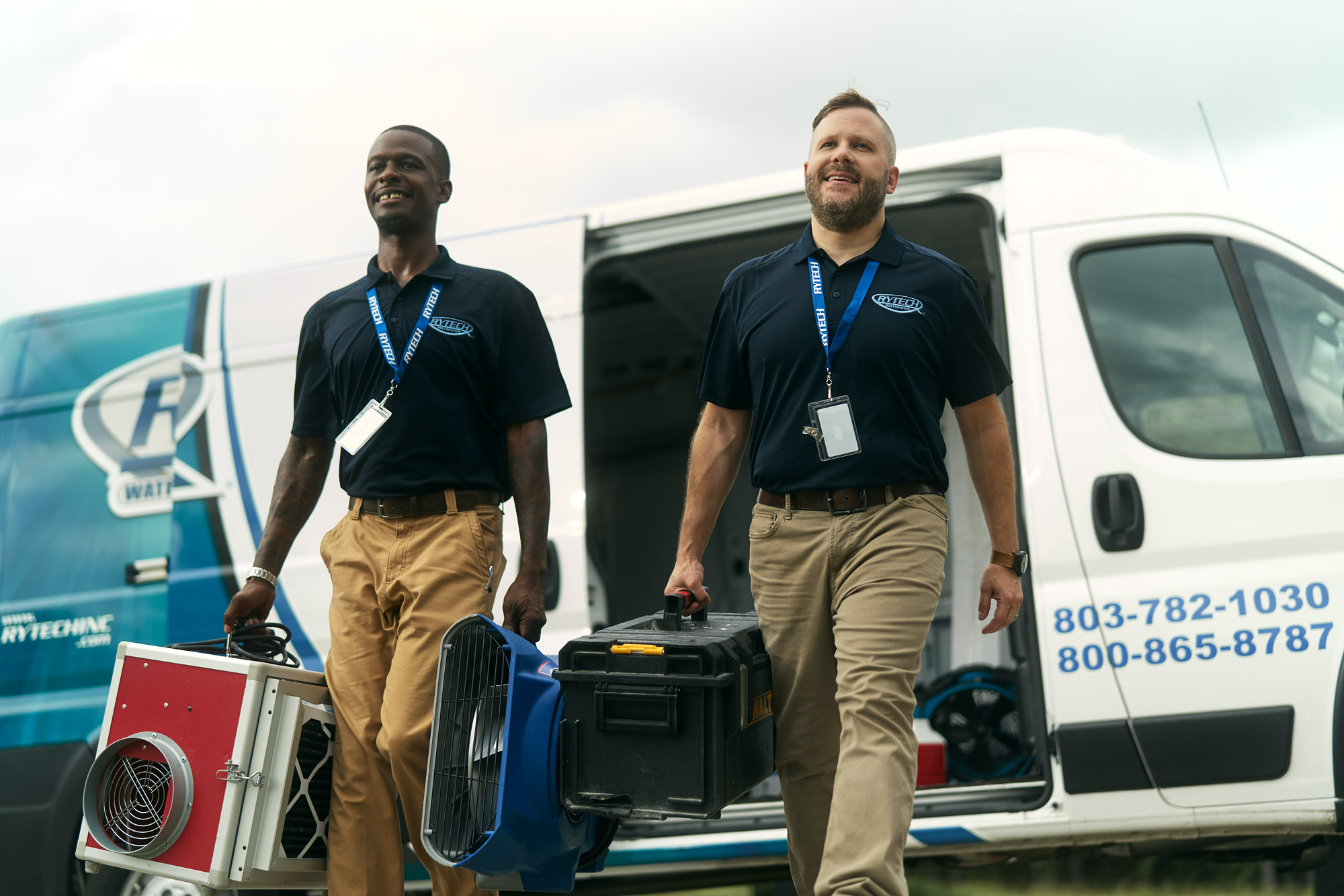
Professional restoration relies on specialized tools designed for precision. High-capacity extractors remove water quickly. Air scrubbers help manage airborne particles during the drying process.
Moisture meters and hygrometers track environmental conditions, ensuring drying goals are met. Protective equipment is used to maintain safe working conditions, especially when dealing with contaminated water.
These tools allow technicians to work efficiently and accurately.
Health and Safety Considerations
Water damage impacts both structures and indoor environments. Contaminated water introduces potential health concerns, and damp conditions affect air quality.
Professional restoration teams use structured safety protocols, including controlled work areas and protective equipment. In some cases, temporary relocation may be recommended depending on the extent of the damage.
Safety remains part of every step in the process.
Navigating the Insurance Process
For many Fort Myers property owners, the insurance process feels unfamiliar. Clear documentation helps simplify it. Photos, moisture readings, and detailed records provide adjusters with a clear understanding of the situation.
Restoration professionals assist by providing structured reports that support accurate claim evaluation. Since many restoration projects involve insurance claims, having guidance helps the process move forward smoothly.
What Affects the Cost of Water Damage Restoration
Costs vary depending on the situation. A small clean water issue in one room differs significantly from a large storm-related event affecting multiple areas.
The size of the affected space, the category of water, and how deeply moisture has penetrated all influence the scope of work. Situations involving contamination or extended drying timelines require additional steps.
Understanding these variables helps property owners plan accordingly.
DIY vs Professional Restoration
Small surface water can be handled with basic tools. Once moisture enters structural materials, the situation changes.
Household equipment doesn’t provide the airflow or humidity control needed for proper drying. Hidden moisture remains, leading to ongoing issues.
Professional restoration brings controlled drying, accurate measurement, and documented results that support long-term stability.
Preventing Water Damage in Fort Myers Properties
Prevention starts with preparation. Regular roof inspections help identify vulnerabilities before storms arrive. Maintaining gutters and drainage systems improves water flow away from the property.
Inside, routine plumbing inspections help catch early signs of wear. Installing leak detection systems adds another layer of protection.
In flood-prone areas, sealing vulnerable entry points helps reduce the risk of intrusion.
What the Restoration Timeline Looks Like
Most projects follow a structured timeline. Day one focuses on assessment and water removal. Over the next few days, drying systems run while conditions are monitored.
As moisture levels stabilize, cleaning and sanitation steps follow. More complex projects extend depending on the level of impact and materials involved.
Each phase builds toward a controlled and predictable outcome.
Industry Standards That Guide Restoration
Professional restoration follows established frameworks. The ANSI/IICRC S500 and S520 standards guide water damage restoration and mold remediation practices, ensuring consistent, science-based methods.
These standards shape how projects are evaluated, how drying is performed, and how safety is maintained throughout the process.
Local Insight from Rytech Restoration of Lee & Collier Counties

“In Fort Myers and across Lee and Collier Counties, we deal with a combination of storm-related flooding and hidden moisture issues from high humidity,” says Jon K. Lavender, owner of Rytech Restoration of Lee & Collier Counties. “Many homes here are built with materials that can trap moisture beneath the surface, especially after hurricanes or heavy rains. Our team focuses on detailed drying and monitoring, following IICRC standards to make sure moisture is fully addressed, not just what’s visible.”
Jon K. Lavender, Owner, Rytech Restoration of Lee & Collier Counties
FAQs: Answering Your Pressing Water Damage Restoration Questions
At Rytech of Lee & Collier Counties in Fort Myers, we understand that water damage can be overwhelming. To support you during this challenging time, we’ve put together a list of frequently asked questions (FAQs) to help you better understand our services, the restoration process, and what to expect when you choose to work with us.


